Organizational health

Every organization has a pulse.

Turn workplace signals and data into intelligence for more preventive decisions.

Pulse identifies where the workplace is causing strain, offers psychological support to employees, and gives HR the aggregated view it needs to act, with decisions always made by people and data handling guided by the LGPD (Brazil's data protection law).

TecmiseA Tecmise solution
Pulse · executive view

The workplace in focus

Aggregated view

Organizational health index

78/100

+2 pointsvs. the previous cycle

6 cycles ago: 71Now: 78

Departments by state

37 tracked
  • 18Adequate
  • 7Watch
  • 6Attention
  • 4High
  • 2Critical
6 departments require priority action

Each one becomes a plan with an owner and a deadline.

See how Pulse helps

Illustrative example with fictitious data
Prevention with method
Decisions with responsibility
Care with confidentiality
Context

Companies don't need to wait for sick leave to act.

Work overload, unresolved conflicts, low autonomy, and lack of support from leadership don't appear overnight. They are psychosocial risk factors that build up in the workplace and come before what the company sees later: sick leave, lower productivity, and turnover.

When these signals are followed up with method, they stop being an inevitable cost and become a management decision, made in time.

The cost of missing the signals

472,328

Brazil

sick leaves due to mental and behavioral disorders in 2024

A total of 472,328 temporary disability benefits were granted that year. In the broader set of benefits with a CID F code (ICD-10 chapter F, mental and behavioral disorders), grants reached 481,476.

Ministry of Social Security / Fundacentro — 2024

Economic impact · Psychosocial risks
US$ 1 tn/yrEconomic impactin lost productivity worldwideDepression and anxiety are associated with an estimated 12 billion working days lost every year.World Health Organization (WHO)
1.37% of GDPPsychosocial risksis the estimated annual economic loss worldwide associated with work-related diseasesEstimate from the ILO global report analyzing the impact of inadequate psychosocial work environments.International Labour Organization (ILO) — 2026

Workplace signals become data. Data guides decisions. Decisions create healthier workplaces.

How it works

From signal to action, in three steps.

Traditional assistance programs are reactive and wait for employees to reach out. Climate surveys identify issues and leave without a path to action. And once a risk is identified, most companies have no one to refer it to. Pulse identifies, supports, and gives HR the aggregated view of where to act.

Step 01

Pattern identification

Signals from different sources are cross-referenced and point to where the workplace is causing strain. The indicator comes with its cause, not just a number.

Example of patterns identified by department
DepartmentSignalTrend
Contact centerOverloadRising for 3 cycles
Night shippingAutonomyFalling for 2 cycles
FinanceLeadership supportStable
Step 02

A psychologist to provide support

Request or signal, triage, professional assessment, support session, intervention or referral, and follow-up. An automated signal does not require opening a case: the decision rests with the authorized professional.

Thu2:30 pm

Support session scheduled

Online, with the team psychologist

Protected by professional confidentiality. This session does not appear in any HR report.

Step 03

A more supportive workplace

If three people from the same department seek support because of overload, treating all three without changing the workload is a losing battle. The action plan has an owner, a deadline, and a reassessment, and the measured progress shows whether it worked.

Night shippingIn progress

Review the night-shift rotation schedule with the team

Owner
Shipping coordinator
Deadline
Nov 12, 2026
Reassessment
Next cycle

Illustrative screens with fictitious data

In action

See the platform from the inside.

A short presentation of what the platform delivers to HR, to the SESMT (occupational health and safety team), and to employees.

Features

Everything the program needs, in one place.

From one-on-one listening to the psychosocial risk inventory, with the same confidentiality care at every step.

Psychological support

Employees request support through the platform. Triage organizes the request, and the session takes place with a psychologist, in a dedicated and confidential space.

Micro check-in

A short, periodic instrument with a defined purpose and frequency. It does not replace the psychosocial assessment: it adds context and follows changes between larger cycles.

Psychosocial assessment

An instrument with versioned methodology: factor, question, scoring rule, and classification rule. Older versions are never silently recalculated.

Department dashboard

Indicators aggregated by unit, department, and team. Always a collective view, with a minimum number of respondents per group.

Action plan

Each priority becomes an action with an owner, a deadline, and follow-up. Progress is recorded and comparable over time.

Psychosocial risk management

Structures, records, and follows up the management process for risk factors: traceable input for the PGR (risk management program) and for the work of the SESMT.

Scheduling and meetings

Scheduling within the platform, with a virtual room created automatically for the meeting, no separate tool needed.

Executive, management, and technical reports

Views for executive leadership, HR, and OHS, issued as a versioned snapshot of the period and scope, with the evidence history of each measure taken.

Risk perception channel

Open and ongoing. It captures what no indicator picks up, with a protocol number and with purpose and destination disclosed before submission.

Data import

Employees and indicators via CSV or XLSX, with mapping, validation, preview, and a record of the source of each number.

Indicators

Every workplace signal becomes data you can read.

Psychosocial risk factors are organized on a five-state scale. The state guides priority. It never labels the people who responded.

Adequate

No action required. The factor is within the expected range; it stays in routine follow-up.

Watch

Follow up within the cycle. There is variation worth a closer look before it becomes a trend.

Attention

Plan recommended. The factor is moving away from the expected range and calls for a planned measure.

High

Plan required. The finding opens an action plan with an owner, a deadline, and a reassessment.

Critical

Immediate action. Top management priority, with professional support available to the department.

A High risk opens a mandatory action plan. Documenting overload and not acting turns the report itself into proof that the company knew. Measuring without a plan becomes a liability; measuring with a plan becomes a defense.

Color never communicates risk on its own. Throughout Pulse, each state always appears with its color, the state name, and the text that explains what it means.

Sales Attention
63/100
OverloadHigh
Leadership supportAttention
AutonomyWatch
ConflictsAdequate

Aggregated department view. No individual result is shown to management.

Methodology

From evidence to action, with method.

No important indicator ends in a chart: it ends in a decision, an action, or a follow-up. Three rules guide the method: a questionnaire is not a PGR, a dashboard is not management, and execution is not effectiveness.

01

Pattern identification

Signals from different sources are cross-referenced by department, unit, and risk factor. When they converge, the system points to a trend and recommends a professional assessment. Convergence provides context; it does not prove cause or create a diagnosis.

  • Psychosocial assessment and micro check-in
  • Absenteeism, turnover by manager, overtime, and shift schedules
  • Demand for support by department and perception channel
02

Prioritization and planning

Each prioritized risk becomes a measure, a plan, and actions, with a follow-up indicator so that progress can be verified.

  • Priorities set with HR and OHS
  • Owner, deadline, and status
  • Practical recommendations by department
03

Action, effectiveness, and reassessment

Execution is followed up on the platform, and the effect is assessed separately: completing an action does not mean the risk is under control.

  • Plan in progress, with visible status
  • Effectiveness assessed separately from execution
  • Reassessment on a schedule or triggered by events
Human follow-up

Technology organizes. The human team provides support.

The platform gathers, organizes, and shows. The ones who interpret, talk, and decide are people, each in their own role and within their own access limits.

HR / People management

Receives the aggregated view by department, with the risk factors that weigh most and their progress across cycles. Without exposing employees and without any group small enough to identify someone.

Result: an action plan with practical recommendations, an owner, and a deadline.

Organizational psychologist

When a signal calls for attention, takes on the support: listens, understands the context, provides guidance, and, when appropriate, refers to the support network. The record is clinical and confidential.

Result: professional support for the employee, with confidentiality preserved.

Focus on care

What the follow-up looks at

Workplace factors: what the organization can actually change.

Work overload Autonomy and control Leadership support Role clarity Interpersonal relationships Recognition Conflict and harassment Working hours and shifts Organizational change Internal communication Work-life balance Referral to the support network

With support and without labels: Pulse supports early identification, but it does not diagnose or replace professionals.

Operating model

Software that accepts bundled services, and you choose.

The flow is the same in all three cases. Only who leads the follow-up changes, and the company never leaves the platform in any of these moves.

PLATFORM

Company team

The company's in-house psychologist leads. Tecmise provides the platform, instruments, indicators, and case flow.

PLATFORM + SUPPORT

Mixed team

The company and Tecmise together, with each professional's affiliation identified and on-demand technical support from Tecmise's psychology team.

PLATFORM + DEDICATED TEAM

Tecmise team

A complete follow-up operation led by a dedicated Tecmise professional.

When sessions are led by Tecmise: CRP registration (Brazil's Regional Psychology Council) with personal responsibility for the professional opinion, no targets tied to alert volume, and a formal path for the professional to disagree with the system.

Professionals' platform

Care needs a workflow too.

The organizational journey and the professional journey run on separate boards, as confidentiality requires. The only point of contact is the department signal. It crosses in one direction only, and the handoff is never automatic. It is the employee who seeks support.

HR board · departments Visible to people management
Department signal1
Sales · overload above range
In follow-up1
Operations · action plan in progress
Plan and feedback1
Logistics · feedback meeting scheduled
Psychologist's board · support cases Restricted access · professional confidentiality
Triage1
Support case 07 · gathering context
In follow-up1
Support case 04 · listening in progress
Completed1
Support case 02 · referred to the support network

HR sees support case volume, predominant demand, referrals, and recommendations, by department. Never the individual, never the content of the session, never a group small enough to identify someone. And a professional alert is never automatically escalated to a management alert.

Workflow board

Every request has a visible stage: where it came in, where it is, and what remains to complete it.

Plan and feedback

What was decided goes back to the department as feedback, with the action recorded and the agreed deadline.

Meeting schedule

Meetings booked on the platform itself, with a virtual room created automatically.

Confidential history

The support session record stays with the psychologist, under professional confidentiality and restricted access.

Team

The people who provide support have names, training, and registration.

Employee support is provided by licensed professionals, with technical responsibility and confidentiality set by their professional council.

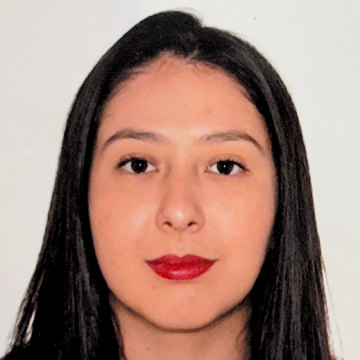
Photo of Ana Carolina Queiroz
Ana Carolina Queiroz Psychologist CRP 06/184934
Who it's for

Each area receives the view it can actually use.

Each profile receives the information it needs to act, not all the information technically available. A job title is not a permission: access is defined by profile, organization, and scope.

Executive leadership

“How is the organization doing?”

Reduced liability, absenteeism, and turnover, with progress followed cycle by cycle.

HR and people management

“Where do we need to act?”

Real context about each department and a tool to act: priorities, action plan, and feedback.

OHS and SESMT

“Which risks need to be managed?”

A structured, traceable psychosocial risk management process, with history and evidence: input for the PGR.

Area manager

“What do I need to do in my area?”

The actions under your responsibility, with deadline and status, always about the area, never about people.

Psychologist and psychosocial team

“Where is professional attention needed?”

Queue of signals, support cases, schedule, and follow-ups, in the protected professional domain, with no ranking of people.

Employee

“How am I doing, and where can I find support?”

Sees only their own result and has access to confidential professional support, as a benefit offered by the company.

Responsibility

Information only makes sense when it protects, guides, and respects.

Pulse was designed around the obligations companies already have, and the care people deserve.

References that guide the design
NR-1 · psychosocial risks LGPD Ethical use of AI Professional confidentiality
Human oversight

No automatic conclusions. The system organizes the evidence; interpretation and decisions belong to professionals.

Preventive purpose

The data exists to anticipate risk in the workplace. No other use is allowed.

Information security

Least-privilege access by profile and scope, encryption in transit and at rest, per-client isolation, and an audit trail, from collection to disposal.

No labeling

The platform does not classify people or assign conditions. It describes workplace factors.

Traceability

Every number shown has an identifiable source, period, and methodology. A blank is never shown as zero.

Ongoing support

Follow-up does not end at the indicator: it continues in the action plan and in the availability of professional support.

About NR-1. Occupational risk management under NR-1 (Brazil's occupational health and safety standard) now covers psychosocial risk factors, with an inventory and action plan within the PGR. Pulse structures, records, and follows up on this process and delivers traceable input for the PGR. It does not replace management or declare compliance. And what drives the program is support for people and the environment they encounter every day.

What Pulse does not do

The limits are part of the product, not a footnote disclaimer.

  • It does not diagnose people. It organizes evidence and refers; assessment is done by a licensed professional.
  • It does not take individual signals to management. Professional alerts stay in the psychologist's protected domain.
  • It does not predict individual illness. The framing is collective risk mapping.
  • It does not hand the individual over to the company. No identity, no content, no group that identifies someone by elimination.
  • It does not rank people. No ranking, no score comparable between employees, no individual label.
  • It does not replace the professional. Technology helps decide where to look; the decision remains human.

Pulse is not just a climate survey · a psychological record system · an HR ERP · an emotions dashboard · software that declares regulatory compliance · telepsychology.

Pulse does not diagnose people.

Pulse helps organizations understand workplaces and manage risks.

AI as support. People in the decision. A signal is not a diagnosis.
Privacy

Caring is not surveilling.

Employee trust is the condition for the program to work. That is why access limits come before functionality, and not the other way around.

HR never sees the individual

People management receives only the aggregated result by department, and only when the group reaches the minimum number of respondents. Cross-cuts (department by shift by job title) follow the same floor; otherwise the combination identifies someone.

The result belongs to the employee

They see their own result, in their own time, and decide whether to seek support. The company knows the channel exists and is used, not who used it.

Sessions are confidential

The support session record is clinical, protected by professional confidentiality, with access restricted to the responsible psychologist, and it does not feed any indicator. Administering the platform does not grant access to it, not even to Tecmise operators.

The company can understand the context without improperly learning the private lives of those who asked for help. Voluntary participation, with specific consent that can be withdrawn at any time.

Demo

See Pulse with your company's reality.

We show you the platform tailored to your industry and company size, and the model that makes sense for you: platform, platform with support, or platform with a dedicated team, including psychological support offered as an employee benefit.

  • 30-minute presentation, no commitment
  • Focus on the collective and on confidentiality
  • Response within 1 business day

More clarity to decide.
More care to act.

When you submit, you will be redirected to our WhatsApp with your details filled in to complete the contact.

Request sent!

We have received your details. Our team will get back to you within 1 business day to schedule your demo.